Upholstery cleaning for Clapham Common flats Lambeth
Posted on 23/05/2026
Upholstery cleaning for Clapham Common flats Lambeth: a practical guide for busy homes
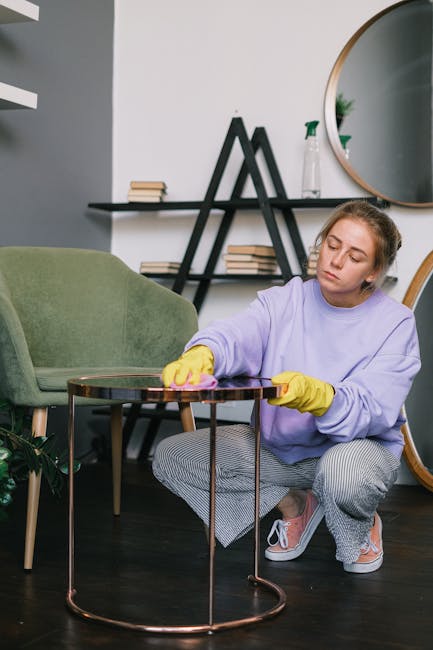
If you live in a flat near Clapham Common, you already know the rhythm: muddy shoes by the door, coffee on the sofa, the odd bit of pet hair, and furniture that seems to collect daily life faster than you can tidy it. Upholstery cleaning for Clapham Common flats Lambeth is about more than making a sofa look presentable. It helps protect the fabric, reduce odours, lift trapped dirt, and keep a smaller home feeling fresh rather than cluttered by wear.
In flats, upholstery often takes a beating because space is tight and furniture gets used hard. A sofa doubles as a dining bench, a guest bed, a work spot, and sometimes a nap zone. Truth be told, that is exactly why a proper cleaning routine matters. In this guide, you will find what upholstery cleaning involves, how it works in practice, when it makes sense, what to avoid, and how to judge a service with a clearer eye. For broader local cleaning support, you may also find the services overview useful, especially if you are comparing upholstery care with other home cleaning options.
Why Upholstery cleaning for Clapham Common flats Lambeth Matters
Upholstered furniture looks soft and inviting, but it behaves a bit like a sponge. Dust, skin flakes, crumbs, oils from hands and hair, pollen, pet dander, and everyday grime settle into fibres over time. In a flat, where windows may be closed more often and rooms are used intensively, that build-up can become noticeable sooner than you expect.
Clapham Common is a busy, lived-in part of Lambeth, and that local reality matters. People are coming and going, shoes pick up grit, and the mix of urban dust and daily indoor use can leave sofas and chairs looking tired well before they are actually worn out. A good clean helps bring back colour and texture, and not just on the surface. It reaches the bits you cannot see, which is where a lot of the problem usually sits.
There is also a practical tenancy angle. If you rent, furniture cleanliness can matter when you move out or when a landlord does a final inspection. Even in owner-occupied flats, fresh upholstery can make a room feel much more open. In small spaces, that effect is surprisingly noticeable. A clean armchair can change the whole mood of a room. Sounds dramatic, but it is true.
For anyone comparing services, it can help to look at upholstery care alongside domestic cleaning in Lambeth or even a fuller house cleaning service if your home needs a broader reset. Upholstery is one part of the picture, but often the part people notice first.
How Upholstery cleaning for Clapham Common flats Lambeth Works
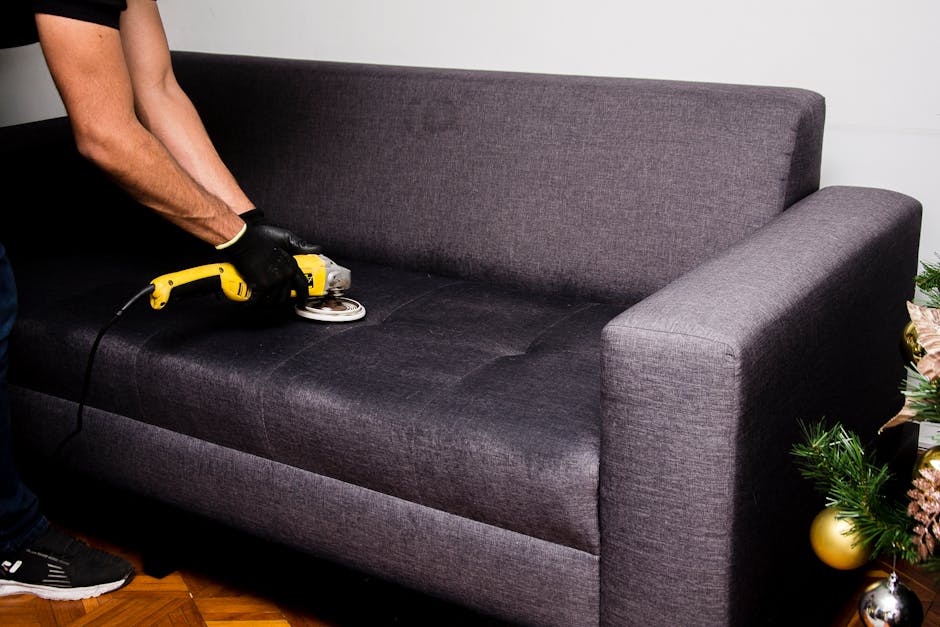
Professional upholstery cleaning is usually a staged process rather than a one-step blast of water and hope for the best. The exact method depends on the fabric, the level of soiling, and the condition of the item. A careful cleaner will start by identifying the material and checking the care label where available. That sounds basic, yet it matters a lot because the wrong method can cause shrinkage, water marks, colour bleed, or a fabric that feels stiff after drying.
Here is the usual flow:
- Inspection: The cleaner checks the upholstery type, stains, wear points, and any existing damage.
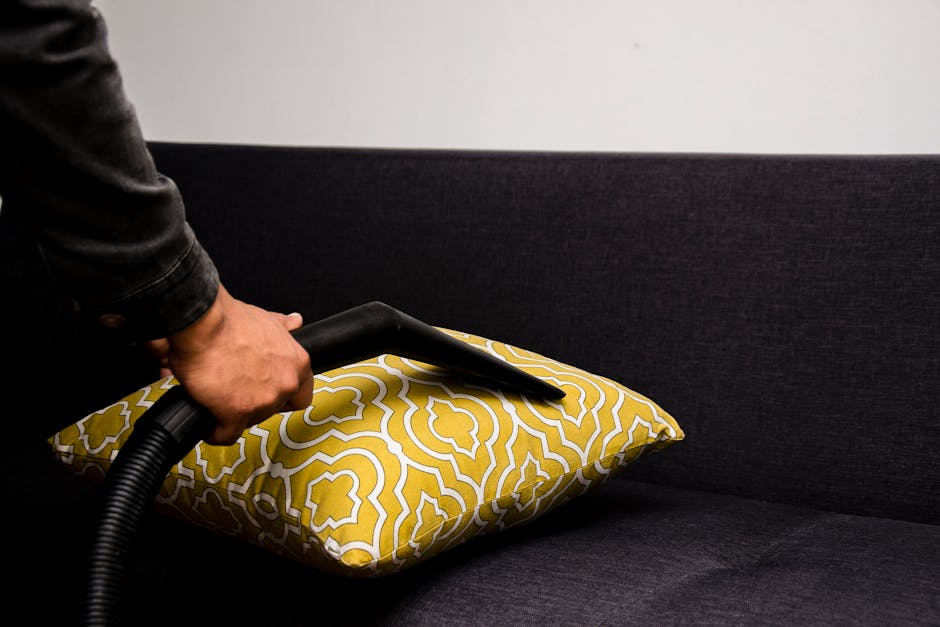
- Vacuuming: Loose dust and debris are removed first. If this step is rushed, the clean will never quite be as good.
- Pre-treatment: Spills, grease spots, and high-traffic areas may be treated with suitable solutions.
- Agitation or dwell time: The cleaning solution is allowed to work into the fibres, often with light brushing or gentle mechanical action.
- Extraction or wiping: Depending on the fabric and method, soil and cleaning solution are removed.
- Drying: Airflow is encouraged so the item dries properly and does not hold a damp smell.
There are several common techniques. Hot water extraction is often used on sturdier synthetic fabrics, while low-moisture methods or specialist solvent-based cleaning may be better for delicate materials. To be fair, the best method is not always the most powerful one. The best method is the one that suits the fabric.
If you are unsure what service level you need, it is worth checking a provider's upholstery cleaning in Lambeth page and then reviewing their insurance and safety information. That gives you a better feel for both capability and care.
Key Benefits and Practical Advantages
The obvious benefit is appearance, but the real value goes beyond looks. Upholstery cleaning can make a room feel lighter, fresher, and less "used", especially in flats where furniture is close together and wear shows quickly. A cleaner sofa can make a fairly ordinary living room feel more comfortable straight away.
- Freshens the home: Odours from cooking, pets, and everyday living are reduced.
- Improves appearance: Fabrics often regain colour and definition once surface soil is removed.
- Supports fabric life: Embedded grit can abrade fibres over time; removing it helps reduce wear.
- Helps with allergens: While not a medical treatment, cleaning can reduce dust and dander build-up.
- Useful before guests or letting checks: A clean sofa can lift the whole flat with very little disruption.
- Better use of small spaces: In a compact Clapham Common flat, one clean armchair or sofa can make the entire room feel more intentional.
There is also a psychological benefit people underestimate. When the sofa stops looking patchy or dull, the room itself feels calmer. That matters after a long day. You sit down, breathe out, and the place just feels looked after. Simple, but real.
If your upholstery work is part of a larger tidy-up, you may want to pair it with a trusted carpet cleaning service in Lambeth. Carpets and upholstery tend to age together, and cleaning one without the other can leave the room half refreshed.
Who This Is For and When It Makes Sense
This service suits more people than you might think. In Clapham Common flats, upholstery cleaning is often the right move for renters, owners, landlords, and busy households who do not have the time or kit to do it properly themselves.
- Renters: Useful before moving out, after a spill, or when furniture has picked up general wear.
- Homeowners: Good for refreshing a sofa that has slowly dulled over time.
- Landlords and letting agents: Helpful between tenancies or after long-term occupancy.
- Pet owners: A practical option if fur, odours, or paw marks have built up.
- Families: Handy for juice spills, snack crumbs, and the occasional mystery stain.
- People working from home: A home office chair or sofa can collect more use than you realise.
When does it make sense? A few common signals:
- the fabric looks darker where people sit most
- the sofa smells stale even after airing the room
- spills have been blotted but never fully removed
- you can see visible marks on arms, cushions, or headrests
- the room feels dusty despite regular vacuuming
Sometimes the trigger is less obvious. A sofa may not look "dirty" exactly, but it no longer feels clean. That gut feeling is often a good clue. If you are preparing a flat for a new tenancy, services such as end of tenancy cleaning in Lambeth can be relevant because upholstery is often part of the wider handover picture.
Step-by-Step Guidance
If you are planning upholstery cleaning in a flat, a little preparation goes a long way. The best results usually come from careful setup rather than dramatic effort.
1. Identify the fabric
Check any care label or manufacturer guidance. Materials like cotton blends, microfibre, velvet, linen, and leather all behave differently. If there is no label, a professional should test a hidden area first. That small test can save a lot of trouble.
2. Remove loose debris
Vacuum the upholstery thoroughly. Pay attention to seams, buttons, under cushions, and the back edge where dust loves to collect. In a flat, this step matters because compact living rooms tend to trap crumbs and dust faster than larger spaces.
3. Spot the problem areas
Look at the usual suspects: armrests, headrests, seat fronts, and cushion tops. These are the zones that get the most contact. If you can see the pattern, you can clean more intelligently.
4. Choose the right method
Use a method that fits the fabric rather than one that simply sounds powerful. Hot water extraction can be excellent for some fabrics, but not all. Low-moisture cleaning is often more suitable where drying time is a concern or the material is delicate.
5. Treat stains carefully
Different stains need different handling. Grease, coffee, wine, ink, and food spills do not all respond the same way. Blot first, never rub aggressively, and avoid guesswork if you are not sure what the stain is.
6. Dry properly
Good airflow is essential. Open windows if practical, use fans if appropriate, and avoid sitting on the upholstery until it is fully dry. A damp sofa in a flat can feel a bit unpleasant, and in some cases, the smell lingers longer than you would expect.
7. Finish with light maintenance
Once dry, a gentle brush or a final vacuum can restore the pile on certain fabrics. Then keep up with regular maintenance so the furniture does not slide back into the same state two weeks later. Happens all the time, honestly.
If you want a trusted local point of reference before booking, the pricing and quotes page is useful for understanding how estimates are usually approached. Clear pricing always makes the decision easier.
Expert Tips for Better Results
A few small habits can make a big difference. They are not flashy, but they work.
- Vacuum before the clean, not after. It sounds obvious, yet some people skip it and wonder why the finish feels patchy.
- Test cleaning products first. Hidden sections, such as the rear skirt or under a cushion, are ideal for this.
- Blot spills immediately. Do not scrub. Scrubbing often drives the stain deeper and can distort the fabric nap.
- Use controlled moisture. Too much liquid can leave rings or prolong drying.
- Keep an eye on ventilation. A slightly open window and moving air can help a lot, especially in smaller flats.
- Ask about fabric protection. In some cases, a suitable protective treatment may help reduce future staining, though it is not magic.
One practical observation: in flats near busy roads or common green spaces, dust and fine particles seem to turn up faster than people expect. It is one of those little urban truths. Not dramatic, just real. Regular maintenance is better than waiting until the sofa looks obviously tired.
If you are comparing cleaning companies, it can also help to read about the company and check the general health and safety policy. Those pages are often boring at first glance, but they tell you a lot about how a business works.
Common Mistakes to Avoid
Most upholstery problems after cleaning are not caused by the cleaning itself. They usually come from a rushed decision or the wrong product. A few missteps show up repeatedly.
- Using too much water: Over-wetting can lead to long drying times, water marks, or a stale smell.
- Choosing the wrong chemical: Some products are simply not suitable for delicate fabrics.
- Skipping the test patch: Never a brilliant idea, even if the sofa "looks tough".
- Rubbing stains hard: This can spread the mark and damage fibres.
- Ignoring the care label: Fabric advice exists for a reason.
- Expecting every stain to vanish completely: Some marks are permanent or partially set; a professional can improve them, but not every stain disappears.
Another quiet mistake is cleaning only the obvious stain and leaving the rest of the upholstery untouched. That often creates a clean patch next to a dirty patch, which can look worse than before. A better result usually comes from blending the whole panel or whole seat area.
Expert summary: For flat living, the safest path is usually careful inspection, the least aggressive effective method, and proper drying. That combination solves most everyday upholstery issues without creating new ones.
Tools, Resources and Recommendations
You do not need a van full of equipment to keep upholstery in better shape, but a few sensible tools help. If you are doing light maintenance yourself, these are the basics worth having:
- a vacuum cleaner with an upholstery attachment
- a soft brush for fabric surfaces
- clean white microfibre cloths
- a small bowl of lukewarm water for blotting, where appropriate
- fabric-safe stain remover chosen for the material
- fans or good natural airflow for drying
For most people, though, the biggest resource is not a product. It is information. Understanding the fabric type, checking service scope, and knowing what to expect before booking saves frustration later. If you are looking for a broader picture of local services, the blog can be a helpful place to browse related cleaning advice and practical tips.
When dealing with a more sensitive item, such as a vintage chair, a suede-like finish, or a fabric that has already faded, it is usually smarter to seek professional help than to gamble with home treatment. In a small flat, one mistake can affect the whole room. Not worth it, really.
Law, Compliance, Standards, or Best Practice
Upholstery cleaning is not usually a heavily regulated domestic activity in the way some trades are, but good practice still matters. A responsible cleaner should work in a way that respects the property, the fabric, and the people living there. That includes sensible chemical use, proper ventilation, care around electrical equipment, and attention to safety in shared or tight spaces.
In London flats, there are also practical considerations around access, noise, and shared hallways. If a cleaning team needs to move equipment through communal areas, that should be done carefully and respectfully. In managed buildings, it is wise to check any rules from the landlord, managing agent, or building management before work begins.
Good providers should also be open about their terms, payment arrangements, and complaint handling. Those details are not glamorous, but they are part of trustworthy service. If you want to understand what a business stands behind, pages like terms and conditions, payment and security, and the complaints procedure can be useful reading before you commit.
And if accessibility matters to you or someone in your household, it is sensible to review the provider's accessibility statement. It is a small check, but an important one.
Options, Methods, or Comparison Table
Different upholstery cleaning methods suit different situations. There is no single winner every time. The best choice depends on the fabric, drying time, stain type, and how delicate the item is.
| Method | Best for | Advantages | Points to watch |
|---|---|---|---|
| Hot water extraction | Robust synthetic upholstery, general soil build-up | Deep cleaning, strong soil removal, thorough refresh | May need longer drying time; not ideal for all fabrics |
| Low-moisture cleaning | Flats where drying time matters, lighter soiling | Faster drying, less water use, convenient for busy households | May be less effective on heavily embedded grime |
| Solvent-based cleaning | Delicate fabrics, some specialist materials | Gentler on certain textiles, useful for specific stains | Requires proper product choice and careful handling |
| Hand cleaning / spot treatment | Small marks, minor maintenance between deep cleans | Quick, inexpensive, easy to target problem areas | Can leave patchy results if used alone on larger areas |
If you are weighing up upholstery cleaning against another type of cleaning, think about the room outcome rather than just one item. A sofa clean can help, but if your carpet, curtains, and soft furnishings are all showing age, a broader service may feel more worthwhile. For example, a mix of house cleaning and upholstery care often makes a flat feel genuinely reset, not just patched up.
Case Study or Real-World Example
Imagine a two-bedroom flat just off Clapham Common. The sofa sits in the main living room near a window, and over time it has picked up the usual mix of fingerprints, pet hair, and one unfortunate coffee spill that never quite disappeared. Nothing dramatic. Just enough to make the room feel a bit dull.
The resident books a professional clean after noticing that the armrests are darker than the rest of the sofa and the fabric has lost its softness to the eye. The cleaner checks the material, vacuums thoroughly, treats the stained area, and uses a method suited to the fabric rather than the most aggressive option available. Drying is managed with airflow, and the sofa is left to finish drying naturally through the afternoon.
By the evening, the difference is practical rather than theatrical. The sofa looks brighter. The room smells fresher. The resident is not worried about guests sitting down in a greyish patch of old grime. That is the real value here. Not perfection. Just a better, calmer, more comfortable room.
It is the sort of result that makes you think, why didn't I do this sooner? Happens to people all the time.
Practical Checklist
Use this quick checklist before booking or carrying out upholstery cleaning in your Clapham Common flat:
- Check the fabric type or care label
- Identify visible stains, wear areas, and odours
- Vacuum the item thoroughly first
- Confirm whether the method is suitable for the fabric
- Ask how long drying is likely to take
- Clear access around the furniture
- Protect nearby flooring or delicate items
- Test any product on a hidden area
- Make sure the room can be ventilated
- Review pricing, terms, and safety information before confirming
Quick practical note: if a cleaner is vague about method or drying time, ask again. A good provider should be able to explain it in plain English without making it sound complicated.
Conclusion
Upholstery cleaning for Clapham Common flats Lambeth is one of those services that quietly improves everyday life. It helps furniture last longer, makes compact rooms feel fresher, and takes the edge off the mess that builds up through normal living. If you choose the right method and pay attention to fabric care, the results can be very satisfying without being disruptive.
For most flats, the smartest approach is simple: inspect carefully, clean gently but thoroughly, dry properly, and keep up with light maintenance. Do that, and your sofa or chair will look and feel better for much longer. And in a busy London flat, that really counts.
If you are planning a refresh, exploring related services, or simply want a clearer idea of what to expect, start with the local pages and choose the option that fits your home rather than rushing into the first thing you find.
Get a free quote today and see how much you can save.
Sometimes the difference between a flat that feels tired and one that feels welcoming is just one properly cleaned sofa. Small thing, big mood shift.