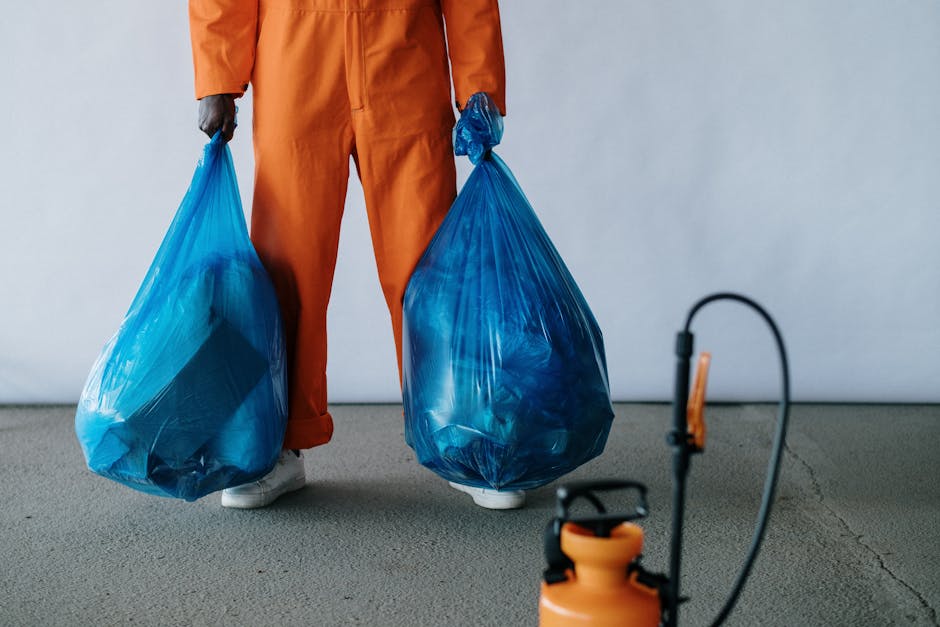
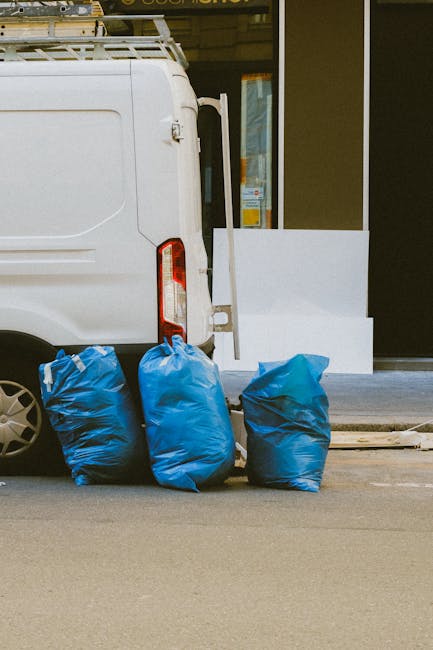
Lambeth business waste disposal rules for cleaning: a practical guide for local businesses
If you run a cleaning operation, manage a workplace, or simply oversee the after-effects of a big clean, Lambeth business waste disposal rules for cleaning can feel a bit more complicated than they first sound. You are not just moving bags around. You are dealing with waste streams, duty of care, storage, collection timing, and the everyday reality of keeping a site clean without making a mess of compliance.
This guide breaks the topic down in plain English. We will look at what the rules mean in practice, how business cleaning waste should be handled, where businesses tend to slip up, and what good looks like on a normal London day when bins are full, corridors are tight, and nobody wants a whiff of dirty water hanging around. To be fair, most problems are avoidable once you know the workflow.
Along the way, you will also find useful internal resources for related services such as commercial cleaning, deep cleaning, and recycling and sustainability.
Expert summary: The safest way to handle business cleaning waste in Lambeth is simple: separate waste properly, keep hazardous and non-hazardous items apart, store everything securely, use reputable collection routes, and keep records where needed. Most compliance trouble starts when waste is mixed, undocumented, or left out too long.
Table of Contents
- Why Lambeth business waste disposal rules for cleaning matters
- How Lambeth business waste disposal rules for cleaning works
- Key benefits and practical advantages
- Who this is for and when it makes sense
- Step-by-step guidance
- Expert tips for better results
- Common mistakes to avoid
- Tools, resources and recommendations
- Law, compliance, standards, or best practice
- Options, methods, or comparison table
- Case study or real-world example
- Practical checklist
- Conclusion
- Frequently asked questions
Why Lambeth business waste disposal rules for cleaning matters
Cleaning work creates waste in a few different forms, and that is where the rules start to matter. You may have contaminated cloths, used mop water, packaging, disposable wipes, vacuum contents, broken fittings, leftover products, or waste from post-build cleans. Some of it is ordinary commercial waste. Some of it may need special handling. And some of it, frankly, belongs nowhere near a regular bin.
In Lambeth, as in the rest of London, business waste has to be managed responsibly. The main point is not to overcomplicate it, but to keep control. If waste is left in public areas, placed in the wrong bin, or stored in a way that causes leaks, odour, pests, or blocked access, the consequences can be messy very quickly. A client notices. Neighbours notice. Staff notice too.
There is also the reputation side. A tidy clean is only half the job if the waste trail tells a different story. For offices, managed buildings, hospitality properties, and rental turnovers, waste handling is part of the service quality. Nobody wants a sparkling entrance and then a corridor with overfilled bags, dripping buckets, and cardboard stacked beside the fire exit. Bit awkward, really.
If you are coordinating work in a business setting, links to services like office cleaning and communal area cleaning can be useful reference points when planning site-specific waste routines.
How Lambeth business waste disposal rules for cleaning works
At a practical level, business cleaning waste management follows a simple logic: identify the waste, separate it, store it safely, and arrange proper disposal. The details change depending on the type of cleaning, the size of the property, and whether you are dealing with routine waste or something more specialised.
1. Identify the waste stream
The first question is always: what exactly is the waste? A dry dust bag from carpet vacuuming is very different from chemical residue or wastewater after a deep clean. Once you know what it is, you can decide how it should be handled.
Common cleaning-related waste includes:
- dust, fluff, hair, and dry debris
- paper towels, wipes, and disposable cloths
- plastic packaging and empty containers
- furniture or fixture items removed during a clear-out
- wastewater from equipment
- broken tools, pads, or consumables
2. Separate general waste from specialist waste
This is where many businesses trip up. General waste is not the same as waste that contains chemicals, oils, heavy contamination, or anything potentially hazardous. If you are using stronger cleaning agents, stripping products, or specialist treatments, you need to think carefully before putting leftovers into a standard bin.
For example, a routine carpet cleaning job will usually create different waste from a builders' clean. Likewise, a normal refresh clean does not have the same waste profile as after builders cleaning.
3. Store waste in the right place
Storage matters more than people think. Waste should be kept so it does not block routes, contaminate other materials, attract pests, or create slip hazards. In a busy property, this often means using a designated waste point, sealed bags, lidded bins, or a temporary holding area away from customer access.
And yes, timing matters too. If waste is left sitting around for too long, it tends to make itself known. Usually by smell first. Then by complaint.
4. Arrange proper collection or disposal
Depending on the waste type, collection may be handled by a regular commercial waste service, a site clearance arrangement, or a specialist disposal route. For larger clean-downs, a house clearance style approach can sometimes be more practical, especially where bulky items and mixed contents need sorting.
If the job is routine, the collection process should be predictable and documented. If the job is unusual, build in a little extra time. Rushing waste off-site is how people miss separation rules.
5. Keep paperwork and site notes where needed
For some waste streams, records are not just helpful; they are part of good business practice. Even when formal paperwork is not required for every bag of waste, it is wise to keep a simple internal note of what was removed, who handled it, where it went, and whether any special precautions were used.
Key benefits and practical advantages
Following Lambeth business waste disposal rules for cleaning is not only about avoiding trouble. Done properly, it makes the whole operation smoother.
- Cleaner sites: waste does not linger in corridors, reception areas, or shared spaces.
- Lower risk: fewer slips, leaks, smells, and blocked fire routes.
- Better client trust: customers can see that the work is controlled, not improvised.
- Less contamination: recycling streams and general waste stay separate.
- Fewer surprises: proper segregation can prevent expensive disposal mistakes.
- Better staff flow: teams know where waste goes, so jobs finish more quickly.
There is also a quieter benefit: good waste handling gives the cleaning itself a more professional finish. If you have ever walked into a property after a long clean and found everything spotless except the waste pile still waiting in the hallway, you will know exactly why this matters.
Who this is for and when it makes sense
This topic matters for a wide range of people in Lambeth. You might be an office manager, facilities lead, cleaning contractor, landlord, letting agent, or building supervisor. You may also be a business owner trying to keep premises tidy without falling foul of avoidable waste issues.
It makes sense to pay attention when you are dealing with:
- regular workplace cleaning
- deep cleans after events or busy periods
- end of tenancy or move-out cleans
- post-renovation or post-repair cleans
- commercial carpet or upholstery work
- shared residential or communal areas
- periodic specialist cleans involving heavy residue or disposal-heavy work
For example, a restaurant back-of-house clean is not the same as a small office refresh. Nor is a end of tenancy cleaning job the same as a simple weekly tidy. The waste rules stay anchored in the same principles, but the practical handling changes a lot.
If your team also handles upholstery, soft furnishings, or delicate fibres, it can help to read the service pages for upholstery cleaning and sofa cleaning so the waste planning matches the actual work.
Step-by-step guidance
Here is a straightforward way to manage cleaning waste in a business setting without overthinking it.
- Walk the site first. Look at where waste will be generated, where it will be carried, and where it can be stored temporarily.
- List the waste types. Separate dry waste, wet waste, packaging, recyclables, and any product-related residues.
- Check for special items. Chemical containers, contaminated materials, sharp objects, broken glass, or excess liquid may need specific handling.
- Assign containers. Use clearly labelled bags, bins, or hold points so teams do not guess.
- Brief the cleaning team. One short handover saves a lot of confusion later. Who removes what? Who locks it away? Who calls collection?
- Keep waste moving. Do not let it pile up. Move it to the agreed point as each task ends, not all at once after the whole job.
- Check the area before leaving. The final sweep should confirm no waste, residue, or stray packaging has been left behind.
A useful habit is to build the waste plan into the cleaning method itself. For instance, if you are doing a deep cleaning visit, the team should already know what to do with used cloths, removed items, and any buckets of waste solution. That sounds basic, but it is where many jobs go sideways.
Expert tips for better results
Over time, a few patterns become obvious. The sites with the fewest waste problems are usually not the fanciest. They are the ones where the process is boringly consistent. And that is a compliment, by the way.
- Label waste points clearly. A bin with no label becomes everyone else's guess.
- Keep dry and wet waste separate. Wet waste can damage recycling streams and create odour fast.
- Use liners that actually fit. Overstuffed bags split at the worst moment, usually while someone is carrying them down stairs.
- Plan for awkward items early. Broken fittings, old mats, packaging, or removed textiles should not be an afterthought.
- Protect public areas. In shared buildings, make sure the waste route is clear and discreet.
- Ask for site-specific instructions. Every building has one slightly annoying rule. Sometimes it is loading access. Sometimes it is the lift. Sometimes both.
If sustainability is part of your brief, it may also help to align waste handling with the approach described on the recycling and sustainability page. A cleaner process is often a greener one too, provided sorting is done properly.
Common mistakes to avoid
Most issues with business cleaning waste come from a handful of predictable mistakes.
- Mixing waste streams: once recycling, general waste, and contaminated waste are mixed, recovery becomes harder.
- Leaving bags in fire exits or corridors: this is both untidy and risky.
- Assuming all cleaning waste is harmless: that assumption causes more headaches than people expect.
- Overfilling containers: bursting bags are ugly, inconvenient, and not fun to clean up again.
- Ignoring liquid waste: wastewater needs a proper plan, not a casual pour into the nearest drain.
- Skipping the handover: if the day team and night team do not agree on waste handling, the building ends up doing the work twice.
Another surprisingly common issue is using the wrong method for the wrong job. A light touch cleaning may only generate normal waste, but a specialist treatment such as pet stain odour removal or stain removal may involve more care around products, cloth disposal, and contaminated materials. Not dramatic. Just worth thinking through.
Tools, resources and recommendations
You do not need a mountain of equipment to manage cleaning waste properly, but a few basic tools make life easier.
- Colour-coded bins or bags: helps staff separate waste correctly at the point of use.
- Clearly printed labels: especially useful on shared sites or with rotating teams.
- Spill kits: a must if liquids or cleaning solutions are being moved around.
- Closed storage containers: useful for temporary holding areas.
- Simple waste log: a notebook, spreadsheet, or digital record for larger jobs.
- Protective gloves and liners: basic, but effective.
If you are choosing services for different areas of the building, it can be helpful to match the waste plan to the work type. For example, window cleaning usually creates a lighter waste load than after builders cleaning, while hard floor cleaning may bring in different residue and rinse-water considerations.
Practical recommendation: write a one-page waste handling note for each recurring site. Keep it short. Include bin locations, collection times, special waste exceptions, and who to call if something unusual turns up. It sounds almost too simple. But simple wins on live sites.
Law, compliance, standards, or best practice
For businesses in Lambeth, the safest approach is to follow the general UK duty-of-care principle for commercial waste and apply local site rules carefully. In plain English, that means you are responsible for making sure waste is stored, transferred, and handled properly, and that it goes to an appropriate route for disposal or recycling.
Because cleaning waste can vary so much, the exact compliance steps depend on the material involved. Ordinary dry waste is one thing. Chemical residues, contaminated cloths, sharps, or bulky removed items may be another. If a waste stream could be hazardous or specialist, it should be treated cautiously rather than guessed at.
Best practice in this context usually means:
- keeping waste separated by type
- avoiding unsafe storage near walkways or exits
- using reputable collection and disposal arrangements
- maintaining records where useful or required
- training staff on what can and cannot be mixed
Health and safety also matters. Waste handling is not just admin; it affects slips, trip hazards, manual handling, odour, infection control, and general site order. For that reason, a business should align its waste routine with its wider safety planning. If you want to see how a provider frames that internally, the health and safety policy and insurance and safety pages are sensible references.
For most readers, the practical rule is this: if a waste item makes you pause and think "hmm, maybe not in the regular bin," trust that instinct and check the handling route before disposal. That little pause can save a lot of trouble.
Options, methods, or comparison table
Different cleaning jobs call for different waste-handling methods. Here is a simple comparison to help you choose the right approach.
| Method | Best for | Strengths | Watch-outs |
|---|---|---|---|
| Routine commercial waste collection | General office, retail, and regular cleaning waste | Simple, predictable, easy to schedule | Not suitable for contaminated or specialist waste |
| On-site segregation with recycling streams | Cardboard, packaging, dry recyclables, mixed business waste | Supports cleaner disposal and sustainability goals | Needs clear labels and staff discipline |
| Specialist collection | Potentially hazardous residues, chemical waste, unusual clean-downs | Safer for non-standard materials | Requires more planning and correct identification |
| Bulk removal or clearance-style handling | Large turnarounds, fit-outs, post-move work, cluttered sites | Good for bulky items and mixed contents | Needs better sorting before items leave site |
The right method is usually the one that matches the mess in front of you, not the one that sounds easiest on paper. For instance, a small regular cleaning contract may only need standard commercial waste handling, while a one-off refresh after occupancy change may benefit from a more thorough plan.
Case study or real-world example
Picture a mid-sized office in Lambeth on a Thursday evening. The team has scheduled a full refresh before a busy week ahead: desk areas, kitchen, washrooms, carpets, and shared corridors. Nothing dramatic, but enough to generate a decent pile of waste by the end.
At first, everything looks manageable. A few bins from the kitchen. Some discarded wipes. Packaging from replacement supplies. Then the cleaning team starts moving through the carpeted areas, and suddenly there are used cloths, debris from under furniture, and a small amount of wastewater from spot treatment. Not a crisis, but enough to create confusion if no one has planned the waste route.
In the better-run version of this job, the office manager has already identified a storage point, the cleaners know which items stay separate, and the final sweep includes a check of corridors, service doors, and the bin area. The building feels calm again by Friday morning. No smell, no stray bags, no awkward note from the reception team. Just a normal workday, which is exactly the point.
That is the quiet value of good waste handling. It rarely gets praised, but it keeps everything else working.
Practical checklist
Use this checklist before, during, and after a business cleaning job in Lambeth.
- Before the clean: confirm what waste types are likely to be produced.
- Before the clean: check whether any items need specialist handling.
- Before the clean: confirm bin locations and storage points.
- During the clean: keep dry, wet, recyclable, and contaminated waste separate.
- During the clean: do not block exits, corridors, or loading areas.
- During the clean: move waste to the agreed point regularly, not all at once at the end.
- After the clean: inspect the area for leftover debris, packaging, and spill marks.
- After the clean: ensure any waste records or handover notes are complete.
- After the clean: confirm collection timing and access for removal.
- Always: treat unsure items cautiously until their disposal route is clear.
If you are managing a broader premises project, related services such as move out cleaning, move in cleaning, and one off cleaning can help you plan the job around actual occupancy and waste turnover rather than guesswork.
Conclusion
Lambeth business waste disposal rules for cleaning are not really about bureaucracy for its own sake. They are about keeping control of what leaves a site, protecting people who use the building, and making sure the clean finishes properly instead of trailing into the next day. Once you separate waste sensibly, store it well, and match the disposal route to the job, the process becomes much easier.
That is the real win here: fewer surprises, cleaner premises, and a more professional service all round. Whether you are managing a small office refresh or a larger commercial clean, a steady waste plan is one of those unglamorous things that quietly makes everything better. And honestly, that is usually the difference between a clean that looks good and one that works well too.
Get a free quote today and see how much you can save.
Frequently Asked Questions
What counts as business waste from cleaning work?
Business cleaning waste can include dust, debris, wipes, packaging, used cloths, disposable items, removed fixtures, and sometimes wastewater or product residue. The exact mix depends on the type of clean.
Do I need to separate cleaning waste from general office waste?
Yes, where possible. It is best to separate routine commercial waste, recyclables, and any contaminated or special items. That makes disposal safer and usually more efficient too.
Can cleaning waste go into the same bin as normal rubbish?
Sometimes ordinary dry waste can, but not always. If the waste includes chemicals, wet materials, sharp items, or contamination, it should be handled separately.
What should I do with wastewater after cleaning?
Wastewater should be dealt with carefully and in line with the site setup and product used. Do not assume it can simply be poured away anywhere. If there is any doubt, pause and confirm the correct disposal route.
Is end of tenancy cleaning treated differently from office cleaning waste?
Usually yes, because the amount and type of waste can be very different. End of tenancy work may involve more clutter, packaging, and removed items, while office cleaning is often lighter and more routine.
How do I avoid waste piling up during a clean?
Build waste movement into the job itself. Use labelled containers, move waste out regularly, and assign one person to check storage points near the end of the shift.
What are the most common mistakes businesses make?
The big ones are mixing waste streams, leaving bags in walkways, ignoring liquid waste, and failing to brief the team before the job starts. Those four crop up a lot.
Do specialist cleaning jobs create different waste risks?
Yes. Jobs such as stain removal, pet odour treatment, after builders cleaning, and deep cleaning can create more contaminated waste or product residue than a standard clean.
How can I make cleaning waste handling more sustainable?
Separate recyclables where possible, avoid overuse of disposable materials, and plan waste storage so items are not damaged or mixed unnecessarily. A tidy workflow often supports better recycling outcomes.
When should I consider a clearance-style approach?
If the clean involves bulky items, lots of mixed contents, or a site that has become cluttered over time, a clearance-style approach can be more practical than a standard bag-and-bin method.
Should I keep records of waste disposal for cleaning jobs?
For larger or repeat commercial jobs, yes, it is sensible to keep at least a simple log of what was removed, when, and by whom. It helps with accountability and makes repeat visits easier to manage.
Where can I learn more about related cleaning services?
You can review related pages for commercial cleaning, deep cleaning, and recycling and sustainability to see how service planning and waste handling fit together in practice.