Health and Safety Policy for Carpet Cleaners Lambeth
 This health and safety policy sets out the standards expected from carpet cleaners in Lambeth when carrying out professional cleaning services. Our aim is to protect staff, clients, visitors, and property by managing risk carefully and working in a safe, responsible way. Every carpet cleaning task should be planned with safety in mind, from the first site check to the final inspection.
We recognise that carpet cleaning involves a mix of equipment, cleaning agents, water, electricity, and manual handling. Because of this, safe working practices must always come before speed. All operatives are expected to follow this policy, report hazards, and stop work if conditions become unsafe. A carpet cleaning service should never create avoidable danger.
These standards apply to all cleaning activities, including domestic and commercial carpet care, stain removal, stain pre-treatment, and machine-based extraction. They also apply to temporary workers, supervisors, and subcontractors working on behalf of the business.
Policy Objectives
The main objectives of this policy are to prevent accidents, reduce exposure to harmful substances, maintain safe equipment use, and ensure that every carpet cleaning technician works in a controlled environment. Risk assessment is essential before each job, especially where the property has restricted access, fragile flooring, children, pets, or poor ventilation.
We also aim to protect the quality of the client’s premises. Wet surfaces, trailing hoses, and electrical cables can create slipping or tripping hazards if not managed correctly. For this reason, every professional carpet cleaner must take practical steps to keep work areas tidy and clearly separated from occupied spaces.
Cleaning methods must be selected according to the fibre type, degree of soiling, and manufacturer instructions where available. Using unsuitable chemicals or excessive moisture can damage carpets and increase safety risks. The correct approach helps both the client and the operative by reducing the chance of avoidable incidents.
Responsibilities
 Management is responsible for providing training, safe equipment, suitable cleaning products, and clear procedures. Supervisors must ensure that staff understand the hazards associated with carpet cleaning operations and know how to respond to spills, injuries, equipment faults, or fire-related risks.
Employees are responsible for using equipment properly, wearing any required personal protective equipment, and following instructions at all times. They must not use machines they have not been trained to operate. Any unsafe condition, near miss, or defect must be reported immediately so that action can be taken.
Clients and site occupants also have a role in supporting safe work by keeping access routes clear, informing the team of known hazards, and allowing enough time for carpets to dry before regular use. Clear communication improves safety and helps the work proceed smoothly.
Safe Working Practices
Before starting work, the cleaner must inspect the area for obstacles, stains requiring specialist treatment, electrical hazards, and signs of wear or damage to flooring. Furniture should only be moved when it can be done safely and without damage. Heavy items require assessment, and lifting should be avoided where mechanical aids or team handling are safer.
During the cleaning process, water levels must be controlled to prevent oversaturation. Hoses should be positioned to minimise tripping risk, and extension leads must be checked for damage before use. Chemical containers should remain clearly labelled, securely closed when not in use, and stored away from heat or open flames.
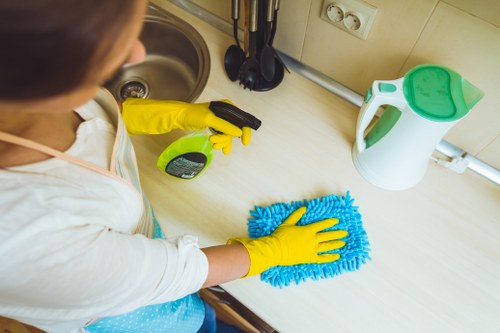 The use of detergents and stain-removal products must follow the manufacturer’s instructions and the relevant risk information. Gloves, eye protection, or other suitable PPE should be used when handling stronger products. Good ventilation is important, particularly when working with products that may produce strong vapours or residue.
Equipment and Electrical Safety
All machinery used in carpet cleaning services must be maintained in safe working order. Regular checks should be carried out on extractors, vacuums, brushes, and any portable electrical equipment. Damaged plugs, frayed cables, or unusual noises from equipment must be treated as warning signs and the machine taken out of service.
Electrical equipment should be used in dry conditions wherever possible and kept away from standing water. Operatives must understand basic isolation procedures and avoid overloading sockets. If a fault occurs, the machine should be switched off immediately and not reused until it has been inspected and cleared for service.
Where steam, heated water, or pressurised systems are used, additional care is needed to prevent burns and scalds. Operators should follow temperature limits, allow equipment to cool before maintenance, and use caution when draining tanks or handling hot components.
Incident Reporting and Emergency Action
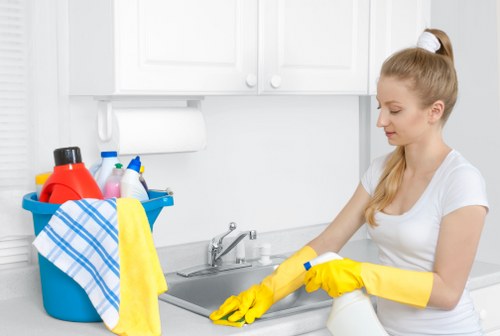 If an accident, spill, injury, or near miss occurs, work must be paused and the area made safe as quickly as possible. First aid should be provided where needed, and emergency services contacted if the situation is serious. A responsible person must record the incident and review the cause so that future risk can be reduced.
Spillages should be cleaned promptly using suitable methods to prevent slips and damage to surfaces. If chemicals are released, the operative must follow the product safety instructions and keep others away from the affected area until it is safe. Any fire risk, electrical concern, or major leak should be treated as urgent.
Accident records and hazard reports help improve working practices. By learning from incidents, the business can strengthen controls and support safer carpet cleaning work for everyone involved.
Training, Monitoring, and Review
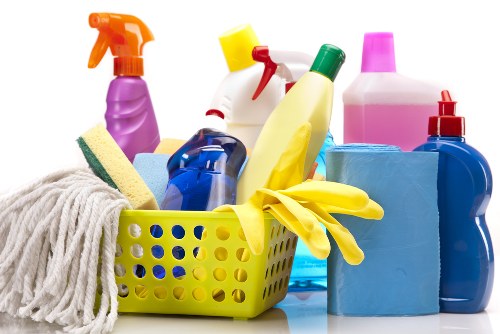 Training is a vital part of this policy. All staff should receive instruction in manual handling, product awareness, machine operation, housekeeping, and emergency response. Refresher sessions should be provided when equipment changes, procedures are updated, or new risks are identified.
Supervisors must monitor work quality and compliance with safety rules. This includes checking that PPE is used correctly, equipment is maintained, and work areas are left clean and secure. Monitoring supports continuous improvement and helps reinforce a safety-first culture.
This policy should be reviewed regularly to ensure it remains effective and relevant. Updates may be required after incidents, changes in equipment, or changes in best practice. By maintaining high standards, carpet cleaners Lambeth can deliver reliable results while protecting people, property, and reputation.